

colored frosted glass
Understanding Hydraulic Ball Check Valves Key Components and Applications Hydraulic systems are integral to a multitude of industrial processes, from manufacturing to construction. One critical component often utilized in these systems is the hydraulic ball check valve. This article delves into the specifics of hydraulic ball check valves, exploring their design, functionality, advantages, and various applications. What is a Hydraulic Ball Check Valve? A hydraulic ball check valve is a mechanical device used to prevent backflow in hydraulic systems. It is designed to allow fluid to flow in one direction while blocking it from flowing in the opposite direction. The heart of the valve is a sphere, traditionally made of steel or plastic, which moves up and down within a cylindrical housing. When fluid flows in the intended direction, the ball is pushed away from the valve seat, allowing fluid to pass through. If the flow reverses, the ball is pushed back against the seat, creating a seal that prevents backflow. Design and Construction The construction of a hydraulic ball check valve typically comprises a valve body, a ball (the closure element), and a spring (which may or may not be present depending on the valve design). The valve body is usually made from durable materials such as brass, stainless steel, or thermoplastics, ensuring compatibility with various fluids and operating conditions. The ball itself is engineered to fit precisely in the valve seat, allowing for a close seal when the valve is closed. This design minimizes leakage and maximizes efficiency. Moreover, the size of the valve—like the diameter of the opening—affects flow rates and pressure drops, necessitating careful selection based on the specific hydraulic application. Functionality of Hydraulic Ball Check Valves The primary function of a hydraulic ball check valve is to prevent backflow, which can lead to system failures, contamination of fluids, or damage to equipment. Backflow can occur for various reasons, such as equipment shutdowns, gravitational forces, or sudden changes in pressure. By ensuring unidirectional flow, ball check valves enhance the overall reliability of hydraulic systems. These valves are typically installed in pipelines, pumps, or near accumulators, where they can effectively manage fluid dynamics. They are especially valued in systems where pressure fluctuations are common, as they can quickly respond to changes, maintaining system integrity. Advantages of Hydraulic Ball Check Valves hydraulic ball check valve One of the significant advantages of hydraulic ball check valves is their simple design, which allows for easy installation and maintenance. Unlike other check valve designs, such as swing or diaphragm check valves, ball check valves have fewer moving parts, reducing the likelihood of mechanical failure. The ball's action is swift and self-activating, requiring no external power to function. This self-regulating feature is especially beneficial in applications where reliability is paramount. Additionally, ball check valves offer low flow resistance, which means they do not significantly impede the passage of fluid. This characteristic is crucial in hydraulic systems that require efficient fluid transfer for optimal performance. Applications of Hydraulic Ball Check Valves Hydraulic ball check valves are utilized across various industries due to their reliability and effectiveness. Common applications include 1. Hydraulic Systems They are essential in hydraulic power units, ensuring that hydraulic fluid flows to actuators without backflow that might disrupt operations. 2. Water and Wastewater Management In water treatment plants, these valves prevent backflow, safeguarding the quality of treated water. 3. Aerospace and Automotive Hydraulic systems in aircraft and vehicles employ ball check valves to maintain safe and efficient fluid operations. 4. Manufacturing Many manufacturing processes that employ hydraulic machinery utilize ball check valves to control fluid flow and maintain pressure. Conclusion In conclusion, hydraulic ball check valves are vital components in modern hydraulic systems, providing a straightforward yet effective solution to prevent backflow. Their design, functionality, and advantages make them a preferred choice in numerous applications across various industries. As technology continues to advance, the demand for such reliable components is likely to grow, ensuring the continued efficiency and safety of hydraulic operations. Understanding the operation and benefits of hydraulic ball check valves is essential for engineers and technicians involved in fluid dynamics, ultimately contributing to the enhancement of hydraulic system performance.
about
colored frosted glass
Understanding Spline Gauge Design A Comprehensive Overview Spline gauges are essential tools in the field of engineering and manufacturing, particularly in the design and analysis of mechanical components that require precision measurements. These specialized measurement tools are used to evaluate the integrity of splines—key components that connect rotating parts in machinery, such as gears, axles, and other mechanical assemblies. In this article, we will explore the significance of spline gauge design, its applications, and the methodologies involved in creating effective and accurate gauges. What are Splines? Before delving into the design of spline gauges, it is important to understand what splines are. A spline is a mechanical connection that consists of multiple equally spaced grooves or keys that fit into a corresponding set of grooves on a mating part. These interlocking features allow for torque transmission while providing alignment between rotating members. Splines are widely used in automotive applications, aerospace components, and various industrial machinery, making accurate measurement critical. Importance of Spline Gauge Design The design of spline gauges is integral to ensuring the quality and reliability of spline connections. Precision in the manufacturing process directly impacts the performance, longevity, and safety of the mechanical assembly. Inadequate or poorly designed splines can lead to joint failure, increased wear, and even catastrophic machinery breakdowns. Therefore, spline gauges serve a crucial role in quality control, enabling manufacturers to ascertain that components meet specifications and function correctly within their intended applications. Key Aspects of Spline Gauge Design 1. Measurement Type Spline gauges can take various forms, including fixed gauges, adjustable gauges, and electronic measurement systems. Each type has its own advantages and use cases. Fixed gauges are often used for quick inspections, while adjustable gauges provide flexibility for measuring different spline sizes. spline gauge design 2. Precision and Tolerance Designing a spline gauge requires a deep understanding of the tolerances associated with the specific spline profile. Tolerances define acceptable limits for dimensional variations, and gauges must be calibrated to detect deviations within these specifications. 3. Material Selection The choice of material for constructing spline gauges is paramount. Hard, wear-resistant materials such as carbide or high-speed steel are often chosen to withstand repetitive use and maintain measurement accuracy over time. 4. Ergonomics and Usability The design process also takes into account the ergonomics of the gauge. It should be user-friendly, allowing operators to perform measurements with ease and efficiency. Consideration for handle design, weight distribution, and visibility can significantly enhance the user experience. 5. Calibration and Maintenance Regular calibration of spline gauges is essential for ensuring ongoing measurement accuracy. The gauge design should facilitate easy access for calibration and maintenance, promoting longevity and reliability in the measurement process. Applications of Spline Gauges Spline gauges are utilized in numerous applications across various industries. In the automotive field, they assess the spline fit of drive shafts and transmission systems. Aerospace engineers rely on spline gauges when designing components for aircraft, ensuring that parts such as turbine assemblies meet stringent safety and performance standards. Additionally, industrial machinery manufacturers use spline gauges to evaluate components like couplings and camshafts, reinforcing the critical role these gauges play in various sectors. Conclusion In conclusion, spline gauge design is an intricate yet essential aspect of modern engineering and manufacturing. These precision instruments help ensure the seamless operation of mechanical assemblies by guaranteeing accurate measurements of spline dimensions. By focusing on key design aspects such as measurement type, precision, material selection, and user ergonomics, engineers can create effective spline gauges that significantly contribute to quality control and reliability in various applications. As industries continue to evolve, the importance of accurate measurement tools like spline gauges will only grow, underscoring the need for ongoing innovation in their design and development.
-

High quality industrial productsagement

High quality industrial products
View Details -

Meet the diverse needs of customers

Meet the diverse needs of customers
View Details -

Strict quality control

Strict quality control
View Details -

Top raw materials

Top raw materials
View Details -

Trusted supplier

Trusted supplier
View Details
Our application


news and information
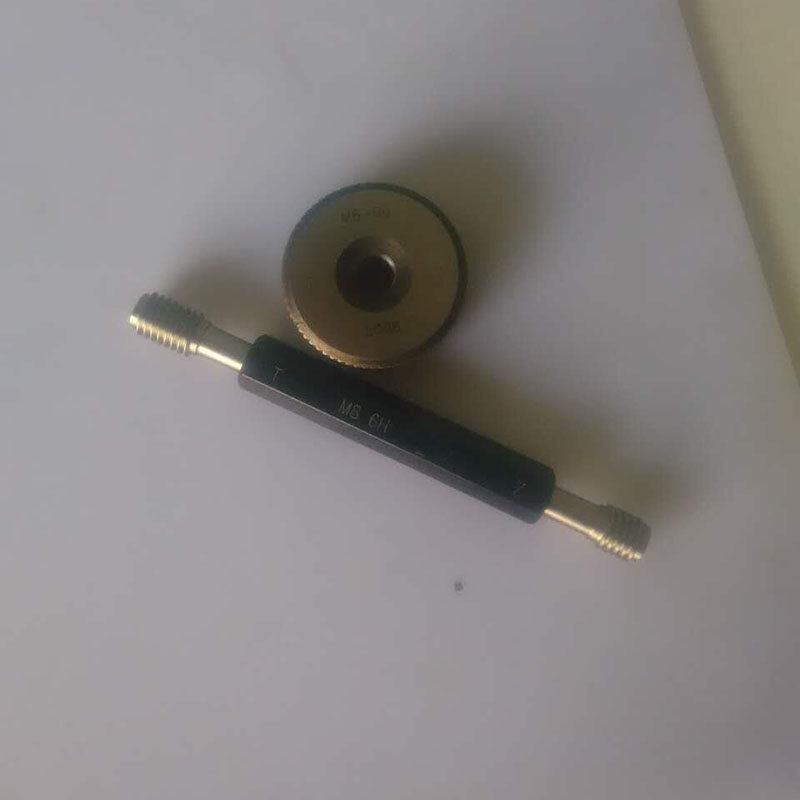
water check valve 3 4
Understanding Water Check Valves The Importance of Models 3 and 4 Water check valves are essential c
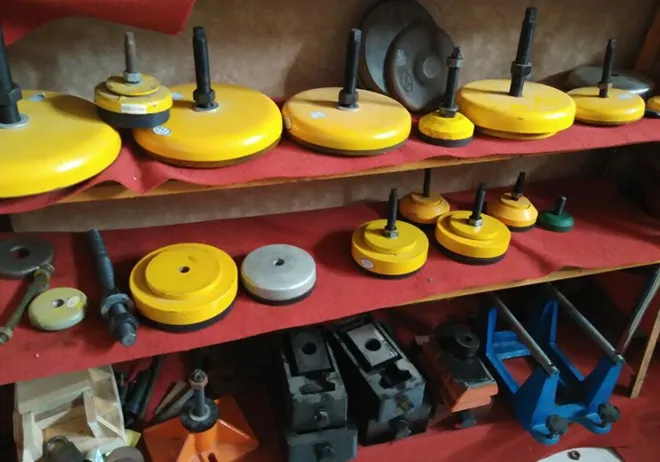
Versatile 4x8 Foot Welding Table for Efficient Metalworking and Fabrication
4x8 welding table .
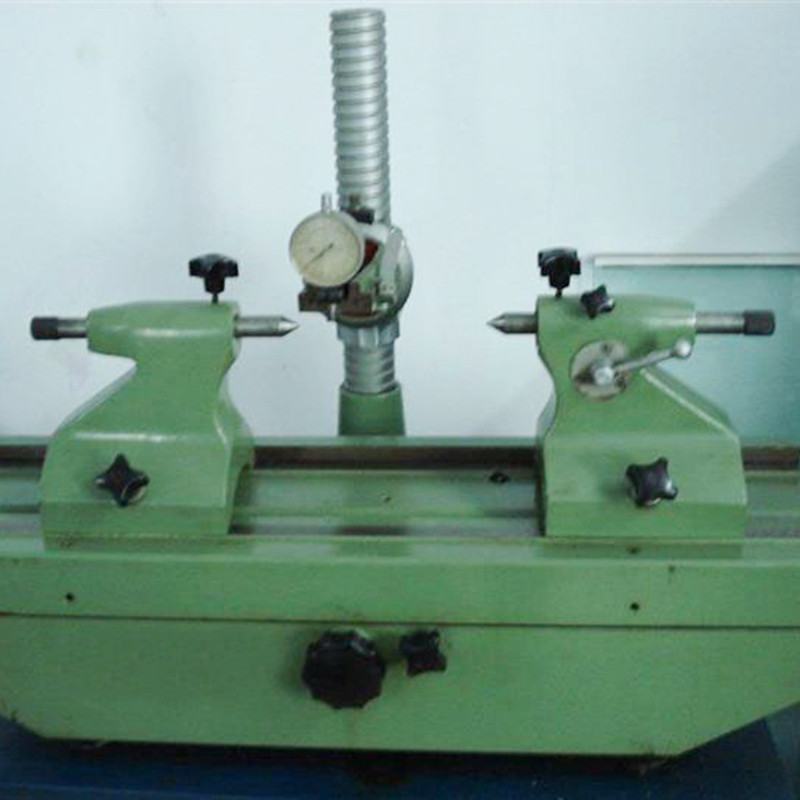
Using stamped truss nails for plate connection.
The Significance of Stamping in Truss Nail Plate Technology In the realm of construction and woodwo
 English